
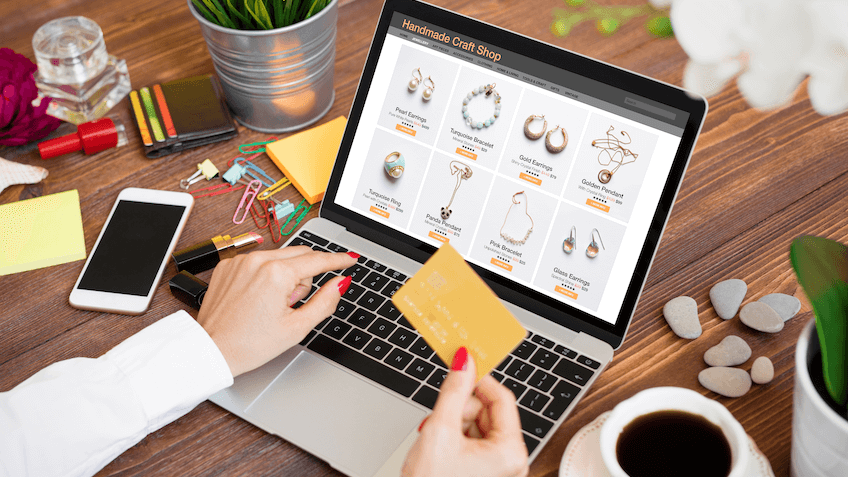
Jewelry blends beauty with meaning, which is why shoppers love finding it online. Launching an online jewelry store is a real business that requires research, legal setup, strong branding, a reliable website, and a clear marketing plan. If you want to learn how to open an online jewelry store, this guide will walk you through each stage of the process. Use this guide as a practical blueprint from idea to first sale and beyond.

A short planning sprint saves months of trial and error later, and it is the very first step in how to open an online jewelry store.
Formal setup builds trust and limits risk.
Compare sole proprietorship, LLC, and corporation for liability and taxes. If you expect growth or partnerships, limited liability is often worth it. Document ownership and roles from the start to avoid confusion later.
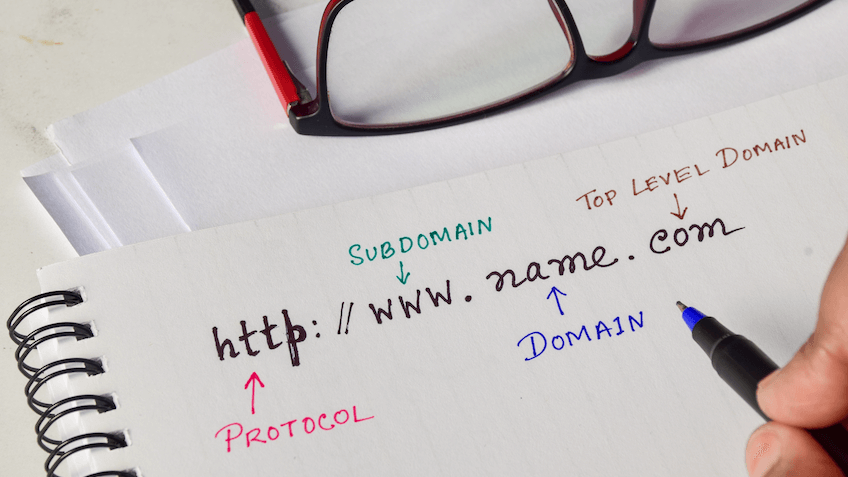
Check conflicts, then register the business and matching domain to protect your identity. Consistent naming across store, socials, and packaging improves recall.
Requirements vary by region, especially for precious metals and gemstones. In some countries, hallmarking or nickel-release regulations apply to jewelry, so check local compliance rules before selling. Keep records of materials and suppliers to support claims and handle returns professionally.
Register for sales tax or VAT and open a business bank account. Clean separation simplifies accounting and helps during audits or funding.
Your supply chain sets quality, margin, and speed.
Full design control and unique pieces create brand equity. Balance capacity with demand and plan lead times so custom orders do not delay ready‑to‑ship items.
Faster launch and broader catalog, but less differentiation. Negotiate sampling and defect replacement terms, and track sell‑through before committing to large buys.
Higher margins and exclusivity reduce inventory risk. Communicate production timelines clearly and provide visual proofs for engravings or bespoke designs. Many stores succeed when they give customers the option to custom design jewelry online, since it combines personalization with the convenience of digital shopping.
Check clasps, stone settings, plating thickness, and finish. For plated jewelry, note plating thickness in microns (for example, 2.5 microns or more for vermeil) to set clear quality expectations. Keep certificates for fine metals and gems, and standardize inspection checklists to reduce returns.
Brand is the promise customers remember after they leave your site.
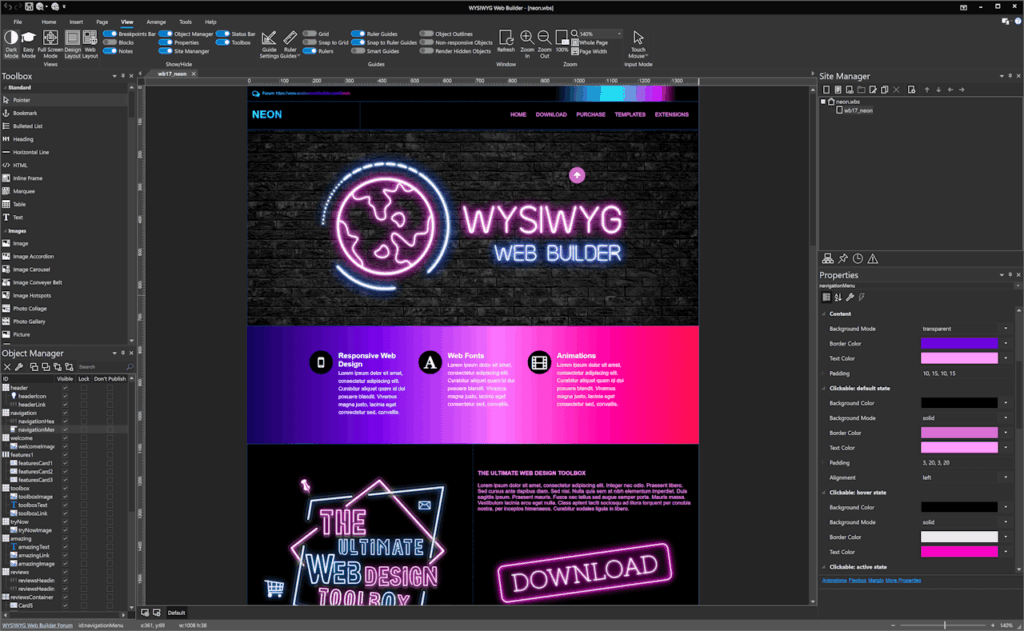
Your storefront must look premium and remove friction, since building a website is one of the most important steps in how to open an online jewelry store. A big part of learning how to make a jewelry website is ensuring that both design and usability match customer expectations.
Clarity here increases conversion and reduces support tickets.
Provide cards, PayPal, and popular wallets. Add local options for key markets to improve acceptance. Display security indicators near the checkout to reduce abandonment.
Cover product, packaging, fees, and returns while staying competitive. Use bundles and sets to raise average order value. Track gross margin by SKU and promote the healthiest lines.
Use rigid boxes, anti‑tarnish pouches, and protective inserts. Offer tracked and insured shipping for higher value pieces. Share handling time and cutoffs to set expectations.
Write friendly returns, exchanges, repairs, and warranty pages. Include photo guides for returns and outline eligibility to prevent disputes. For earrings, consider restricting returns due to hygiene reasons, and make this clear upfront to avoid confusion.
Images sell jewelry more than any other element. If you want to know how to make a jewelry website that converts, photography is the foundation since buyers depend on visuals to judge quality.

Mix evergreen traffic with launch spikes.
Optimize titles, meta descriptions, and schema for products and categories. Publish guides on care, sizing, styling, and gemstone meanings. Internal links help new SKUs rank faster.
Focus on Instagram, Pinterest, and TikTok with a weekly content calendar. Seed pieces to micro‑influencers who match your style. Encourage UGC and reshare with permission. Promoting the ability to custom design jewelry online on social channels also creates strong engagement, as shoppers love sharing unique pieces they helped create.
Use a welcome series, cart recovery, and post‑purchase care tips. Segment by purchase history and send early access to high‑intent segments. Treat email as a retention engine, not just promotions.
Start with remarketing and dynamic product ads. Test one hero SKU for prospecting before scaling to a collection. Watch blended return on ad spend to avoid overspending on discounts.
Great service is a moat in a crowded market.
Data tells you what to add, cut, or double down on.
Monitor sessions, add‑to‑cart rate, checkout progression, and conversion. Investigate where drop‑offs occur and fix the biggest leaks first. Use product analytics to spot hidden winners. Track gross margin and return rate by SKU to catch quality or fit problems early.
Feature high‑margin items on the home page and in bundles. Retire slow movers or reposition them as gifts or add‑ons. Plan seasonal drops with clear themes.
Test Etsy or Amazon Handmade for discovery while keeping your site as the primary brand hub. Add international shipping with clear duties and taxes handling.
Expect these hurdles and plan for them.

Confirm these items before you announce your store.
Understanding how to open an online jewelry store shows that it is both a craft and a process. Starting an online jewelry business requires patience and consistency, but each improvement builds momentum for long-term success. If you focus on clear positioning, excellent product pages, smooth checkout, and responsive service, you can build a brand that lasts. Start focused, learn from each release, and scale what works.
At SiteValley, we recommend our Small Business web hosting plan for new and growing online stores.It includes unmetered web space for typical website content (excluding media or non-web file storage), free SSL, daily backups with a two-month retention and 60 recovery points, Anycast DNS for faster resolution, a free dedicated IP, and support for up to 50 hosted websites if you plan to expand into multiple brand microsites. This plan provides the stability, security, and scalability needed for a professional online jewelry store.

Quick Customer care response, accurate and broad assistance, easy to use client area.....
I am very happy with the service. I am with site valley for many years and at the present usimg 2 hosting packages. Their service is excellent and super fast. Thanks & Greatly Appreciated
I've been hosting my websites with Sitevalley for more than 6 years. Very satisfied with the services and reliability they provide, competitive prices, almost no downtime, fast and knowledgeable customer support.
I have been using side valley for a couple of years now and have to say I am very happy with the service they offer.I use many Hosting services but site valley stands out in front. Reliable service, great support.I don't normally leave reviews but felt I wanted to for this service as it has been fantastic
I didn't want to review so soon on into taking out hosting with site valley but I feel obliged because their customer service is outstanding, second to none, every time I had an issue it was sorted immediately. I would highly recommend Site Valley.
I have been with Sitevalley for over a year and it's the best hosting I have EVER used. And I have been through a lot of them.
The support staff are amazing, and it's clear that they have a passion for hosting websites. I've rather enjoyed this webhosting company and it's stability for the price is bar-none, amazing.
My collegue adviced me to use SiteValley as a reliable hosting provider with great prices, professional and fast Customer Service. My experience with SiteValley was exactly the way I was promised.
I have been with SiteValley for many years, and plan to stay with them for many more. Customer support is very responsive and knowledgeable.
SiteValley.com is rated 4.8 / 5 based on 329 Reviews »

© 2001 – 2026 SiteValley.com. All Rights Reserved.
