
AI and web development are redefining what it means to build and experience the web. Websites are no longer static pages built line by line; they are dynamic systems that learn, adapt, and optimize themselves.From AI-generated design layouts to automated debugging and predictive analytics, developers are using intelligent systems to accelerate development and enhance user engagement. The result is a digital environment where automation and creativity work together, enabling faster deployment, smarter functionality, and more personalized experiences for users around the world.

AI and web development now intersect through the integration of algorithms and learning models into the processes of designing, coding, optimizing, and managing websites. Web development and AI together use data-driven intelligence to understand patterns and behaviors, making websites more adaptive and efficient.
AI applications range from predictive analytics to natural language processing and computer vision. Developers can use AI to create systems that build layouts automatically, detect user frustration based on interaction data, or even write JavaScript code on their behalf. The goal is to make web development faster, more intuitive, and less dependent on repetitive manual tasks while maintaining flexibility for creative human input.
The best AI for web development provides both immediate and long-term advantages across all stages of development. It enhances efficiency, reduces costs, and ensures that websites evolve intelligently with user needs.
AI tools can automate large parts of the coding and deployment cycle, such as syntax correction, form validation, or regression testing. This allows developers to spend more time designing features and less time fixing minor issues. Advanced platforms like GitHub Copilot and Tabnine can even predict what a developer is trying to code next, suggesting full blocks of functional code in real time.
AI systems analyze massive amounts of user data to understand how visitors navigate, where they linger, and where they drop off. Based on these insights, AI can suggest adjustments to elements such as call-to-action placement, product recommendations, or page loading order, helping developers refine layouts and maximize engagement. The result is a site that feels personalized for each visitor, increasing retention and conversion rates.
Machine learning models are trained to detect unusual traffic behavior, identify patterns associated with attacks, and trigger immediate countermeasures. AI can block suspicious IPs, prevent brute-force login attempts, and identify vulnerabilities early, helping developers patch them before they are exploited. This constant monitoring adds a proactive layer of defense that traditional security systems cannot match.
AI helps development teams work more efficiently by automating tedious operations like documentation generation or log analysis. Predictive project management tools use AI to allocate resources and forecast potential delays, helping teams deliver on schedule without burning out.
These benefits make AI not only an assistant but an indispensable partner in modern web development.
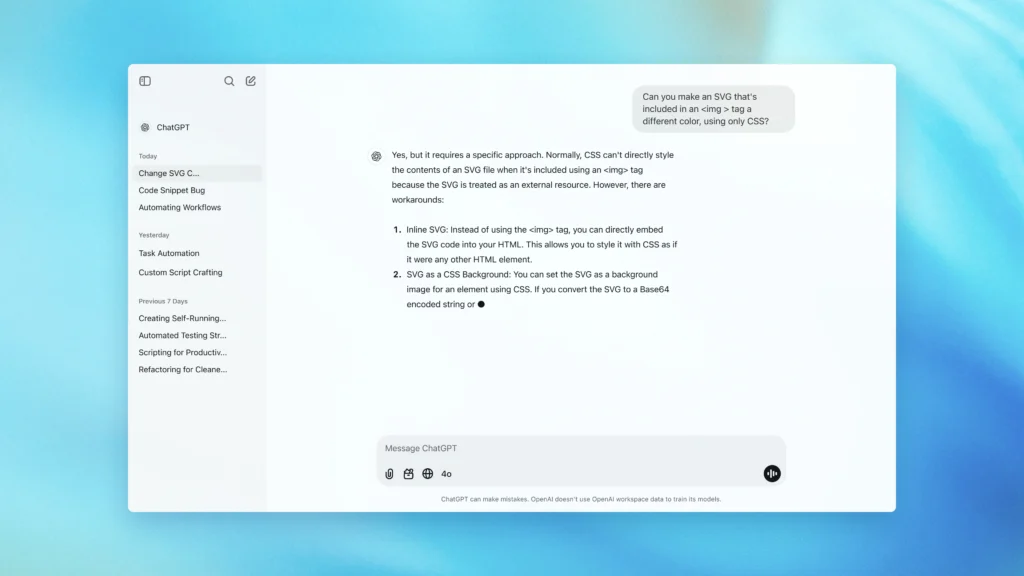
AI and web development work together throughout the entire lifecycle, influencing everything from early concept design to continuous performance optimization.
By combining AI tools for web development, developers can drastically shorten project cycles while maintaining consistent quality across every release.
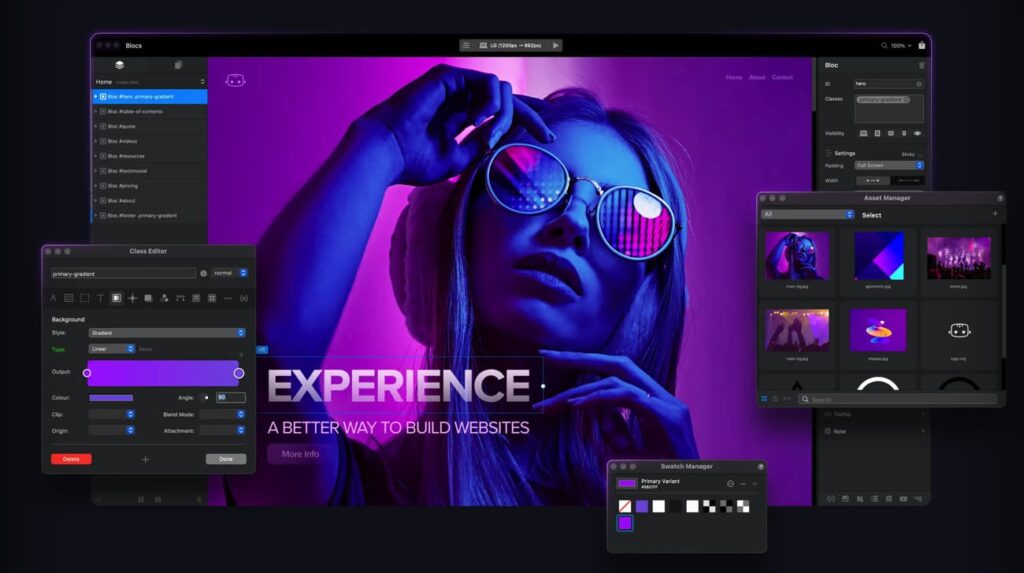
AI is transforming front-end development by turning static design processes into dynamic, data-driven ones that continuously adapt to user behavior.
AI-based design systems use input prompts to create responsive page layouts and select color schemes or font combinations automatically. They consider accessibility guidelines, content hierarchy, and brand identity to ensure consistent design across all devices.
Through user data collection, AI detects when a visitor is struggling to find information or interacting slowly. It can modify button positions, suggest shortcuts, or prioritize frequently used features. Over time, the interface evolves to fit the most common usage patterns.
AI tools audit websites for compliance with accessibility standards such as WCAG. They automatically increase contrast, resize text, or provide real-time captions for multimedia elements, ensuring inclusivity for users with visual or hearing impairments.
Content recommendations, headlines, or banner images can change based on a user’s browsing history, geolocation, or interaction frequency. AI models analyze behavioral clusters to predict what users will respond to best and deliver that content instantly.
This level of adaptability ensures a more engaging, inclusive, and personalized experience that traditional front-end methods cannot achieve.
AI’s impact on the back end focuses on improving efficiency, scalability, and reliability through automation and predictive analytics.
AI continuously monitors traffic and resource usage, forecasting when server demand will spike. It automatically provisions or releases computing resources so that sites stay responsive during sudden surges without wasting bandwidth or storage when demand drops.
AI identifies inefficient queries, indexes unused data, and suggests better data structures. Machine learning can analyze how queries evolve over time and suggest database structure improvements, reducing latency and improving overall performance.
By analyzing logs and network activity, AI systems recognize anomalies that might indicate DDoS attacks, malware injections, or privilege escalation. They automatically block threats, send alerts, and provide detailed forensic data for administrators to investigate.
AI-driven monitoring systems detect patterns that precede downtime, like increasing error rates or memory leaks. They not only alert administrators but can take preventive measures such as restarting services or balancing loads before failure occurs.
AI in the back end essentially turns infrastructure into a self-regulating environment that responds intelligently to both normal and abnormal conditions.
Machine learning powers most of the intelligent decisions AI makes in web development. It enables systems to detect trends, classify data, and adapt automatically.
ML algorithms track user actions such as purchases, searches, and time spent on specific sections. They use this data to suggest similar or complementary products, articles, or videos, improving both engagement and sales potential.
ML models examine traffic data to anticipate user needs or seasonal demand spikes. Developers can use these insights to prepare server infrastructure, adjust marketing campaigns, or schedule maintenance windows when activity is lowest.
Search engines within websites can learn from user queries to return more relevant results. They adapt automatically to synonyms, spelling errors, and contextual meanings, improving the quality of search functionality over time.
ML models within CDNs predict which assets are likely to be requested next and pre-cache them in nearby servers. This anticipatory behavior reduces latency and ensures faster loading speeds for users worldwide.
Machine learning gives websites the ability to think ahead, improving experiences with every user interaction.

As AI continues to grow, developers must confront the ethical implications of deploying intelligent systems on the web.
Handling these challenges thoughtfully ensures that innovation aligns with ethics, protecting both users and developers.
The future of web development lies in deeper integration of AI across every technical layer. Websites will no longer just react—they will anticipate and evolve autonomously.
This evolution will create a web that learns, predicts, and adapts on its own while still benefiting from human creativity and vision.
AI and web development together are transforming the digital landscape, bringing automation, personalization, and predictive intelligence into a unified framework. Developers no longer just build static websites; they orchestrate ecosystems that evolve dynamically with every user interaction.
While AI presents ethical and technical challenges, it also opens doors to unprecedented efficiency and creativity. The web is becoming faster, smarter, and more secure, driven by the growing connection between web development and AI.

Quick Customer care response, accurate and broad assistance, easy to use client area.....
I am very happy with the service. I am with site valley for many years and at the present usimg 2 hosting packages. Their service is excellent and super fast. Thanks & Greatly Appreciated
I've been hosting my websites with Sitevalley for more than 6 years. Very satisfied with the services and reliability they provide, competitive prices, almost no downtime, fast and knowledgeable customer support.
I have been using side valley for a couple of years now and have to say I am very happy with the service they offer.I use many Hosting services but site valley stands out in front. Reliable service, great support.I don't normally leave reviews but felt I wanted to for this service as it has been fantastic
I didn't want to review so soon on into taking out hosting with site valley but I feel obliged because their customer service is outstanding, second to none, every time I had an issue it was sorted immediately. I would highly recommend Site Valley.
I have been with Sitevalley for over a year and it's the best hosting I have EVER used. And I have been through a lot of them.
The support staff are amazing, and it's clear that they have a passion for hosting websites. I've rather enjoyed this webhosting company and it's stability for the price is bar-none, amazing.
My collegue adviced me to use SiteValley as a reliable hosting provider with great prices, professional and fast Customer Service. My experience with SiteValley was exactly the way I was promised.
I have been with SiteValley for many years, and plan to stay with them for many more. Customer support is very responsive and knowledgeable.
SiteValley.com is rated 4.8 / 5 based on 329 Reviews »

© 2001 – 2026 SiteValley.com. All Rights Reserved.
